
When people think about event marketing, they often think about the person planning the event. And understandably so. They’re the ones coordinating vendors, managing logistics, building timelines, and making sure everything comes together.
But there’s a lot more happening behind the event than what people see on event day.
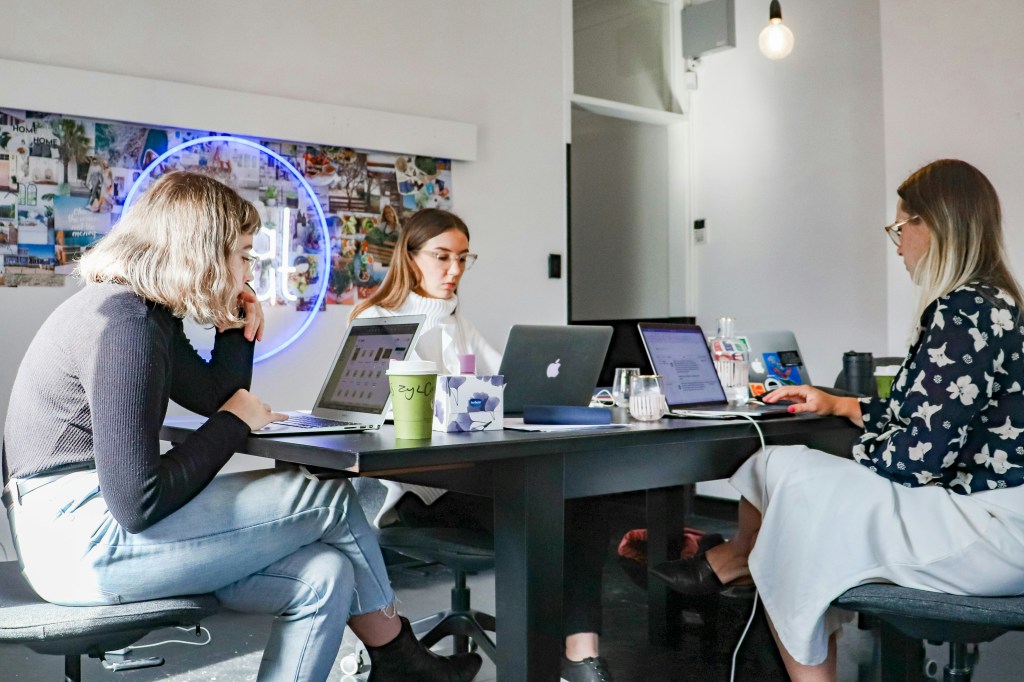
An event may be led by one person, but it takes collaboration across the marketing + sales team to bring it to life.
Take a partner happy hour, for example. The event marketer may be responsible for finding the venue, coordinating food and drinks, managing the guest list, and making sure all of the logistics are handled. But getting the right people in the room takes more than event logistics.
Demand Generation may identify the target audience, develop the promotional strategy, and manage email campaigns to drive registrations and attendance. Sales can identify key partners, prospects, or customers who should be there and help encourage them to attend. Social Media can build awareness around the event, while Content and Creative may support invitations, messaging, signage, or other event materials.
The same collaboration happens on a much larger scale at a trade show.
While the event marketer may be coordinating the booth, vendors, shipping, staffing, meeting schedules, and everything happening on the show floor, other marketing teams are working toward the same goal from different angles.
Demand Generation may be running campaigns and email communications to drive registrations and booth traffic. Social Media helps create awareness before and during the show. Product Marketing makes sure the messaging, product positioning, and demos are aligned. Sales identifies priority accounts, schedules meetings, and engages with prospects and customers.
None of those pieces exist independently.
If the booth looks great but the right audience doesn’t know you’re there, that creates a problem. If Sales has meetings scheduled but the messaging isn’t aligned, that creates another. And even after the event ends, Sales and Marketing still have to work together on lead follow-up, tracking, and measuring results + ROI.
That’s why communication and alignment are just as important as the logistics.
The event marketer often becomes the person connecting all of these moving pieces, keeping timelines on track, and making sure everyone knows what they need to do. But they aren’t doing it alone.
Events sit at the intersection of so many areas of marketing, and that collaboration is a big part of what makes them successful.
The event itself is what people see. The collaboration behind it is what helps make it happen!
That’s the collaboration behind the event.
Planning an event? Let’s talk about how I can help bring the moving pieces together. Schedule your complimentary consultation here.
See you Behind the Event,
Tiff


Leave a comment